

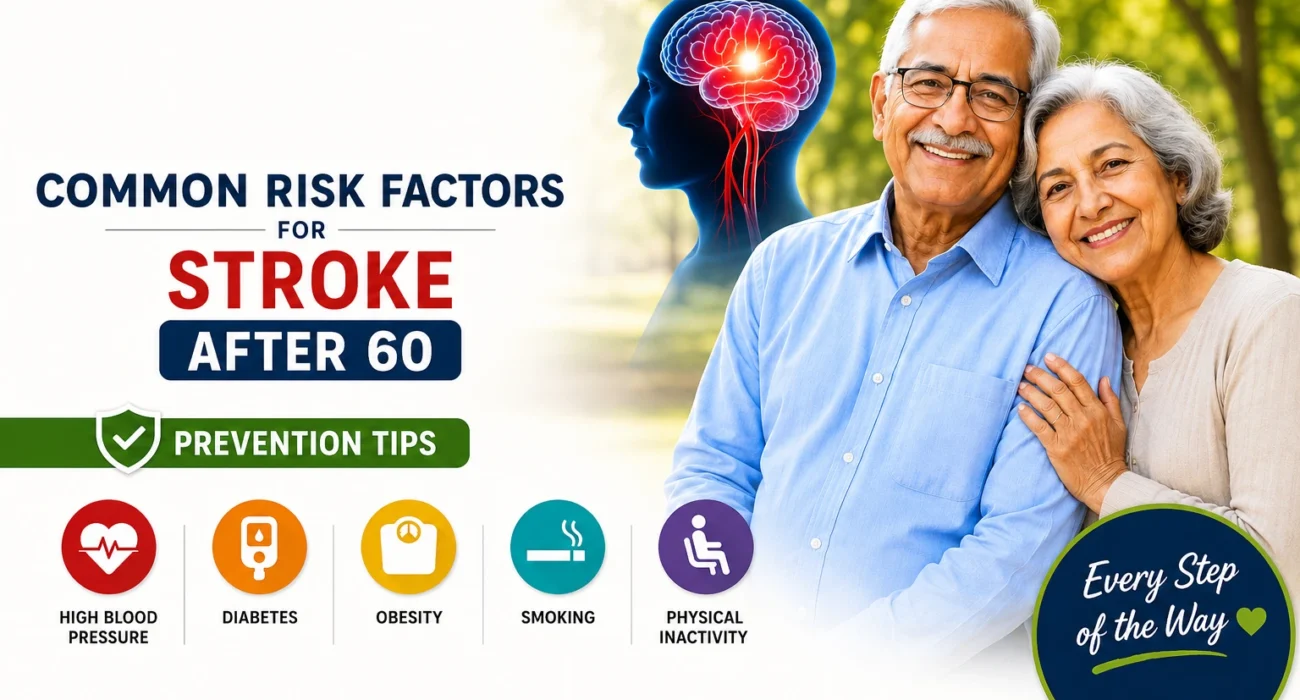
Common Risk Factors for Stroke After 60
As people age, maintaining good health becomes increasingly important. One of the most serious health concerns among older adults is stroke. According to global health studies, the risk of stroke rises significantly after the age of 60 due to age-related changes in blood vessels, heart health, and lifestyle factors.
Understanding the common risk factors for stroke after 60 can help families and seniors take preventive measures early. At ELCA Elder Care, we believe that awareness, timely medical support, and healthy lifestyle habits can greatly reduce the chances of stroke and improve quality of life for seniors.
In this guide, we explain the leading causes of stroke in older adults, warning signs to watch for, prevention strategies, and how professional elder care support can help seniors stay healthier and safer.
What Is a Stroke?
A stroke occurs when the blood supply to the brain is interrupted or reduced, preventing brain tissue from receiving oxygen and nutrients. Brain cells begin to die within minutes, making stroke a medical emergency.
There are three major types of stroke:
- Ischemic Stroke – Caused by blocked blood vessels and accounts for most stroke cases.
- Hemorrhagic Stroke – Caused by bleeding in the brain.
- Transient Ischemic Attack (TIA) – Often called a mini-stroke, it is a temporary blockage that acts as a warning sign.
Older adults are more vulnerable to all types of stroke due to changes in cardiovascular health and underlying medical conditions.
Why Stroke Risk Increases After 60
Aging naturally affects the body’s blood vessels, heart function, and circulation. Over time,
arteries may harden, blood pressure can rise, and chronic diseases become more common. Several factors contribute to increased stroke risk in seniors:
- Reduced blood vessel elasticity
- Increased cholesterol buildup
- Higher prevalence of hypertension
- Greater risk of diabetes and heart disease
- Reduced physical activity
- Long-term medication use
- Weakened immune and recovery systems
While age itself is a risk factor, many stroke-related conditions are manageable with proper care and lifestyle adjustments.
Common Risk Factors for Stroke After 60
1. High Blood Pressure (Hypertension)
High blood pressure is one of the leading causes of stroke in elderly people. It damages arteries over time, making them more likely to rupture or become blocked.
Many seniors may not notice symptoms of hypertension, which is why it is often called a “silent killer.” Regular blood pressure monitoring is essential for stroke prevention in seniors.
Prevention Tips:
- Reduce salt intake
- Exercise regularly
- Take prescribed medications consistently
- Monitor blood pressure at home
- Maintain a healthy weight
2. Diabetes
Diabetes increases stroke risk because high blood sugar damages blood vessels and nerves. Seniors with poorly controlled diabetes are more likely to develop circulation problems and cardiovascular disease.
Prevention Tips:
- Follow a balanced diabetic-friendly diet
- Monitor blood sugar levels
- Stay physically active
- Attend regular health checkups
- Take medications as directed
3. High Cholesterol
High cholesterol contributes to plaque buildup in arteries, restricting blood flow to the brain. Blocked arteries are a major cause of ischemic stroke.
Seniors should undergo regular lipid profile tests to manage cholesterol levels effectively.
Prevention Tips:
- Limit fried and processed foods
- Eat fiber-rich foods
- Include healthy fats in the diet
- Exercise consistently
- Avoid smoking and alcohol misuse
4. Heart Disease
Conditions such as atrial fibrillation, heart failure, and irregular heartbeat increase the likelihood of blood clots forming and traveling to the brain.
Heart disease and stroke are closely connected, especially in adults over 60.
Prevention Tips:
- Follow cardiologist recommendations
- Take heart medications regularly
- Monitor heart rate and rhythm
- Reduce stress levels
- Maintain a heart-healthy lifestyle
5. Smoking
Smoking damages blood vessels, raises blood pressure, and reduces oxygen levels in the blood. Long-term smoking significantly increases the risk of stroke among seniors.
Even quitting later in life can greatly improve cardiovascular health.
Prevention Tips:
- Seek smoking cessation support
- Avoid passive smoking
- Replace smoking with healthy habits
- Join support programs if needed
6. Physical Inactivity
A sedentary lifestyle contributes to obesity, diabetes, high blood pressure, and poor circulation—all of which raise stroke risk.
Many older adults become less active due to joint pain, mobility issues, or chronic illness, but moderate daily movement remains essential.
Prevention Tips:
- Walk daily
- Practice light stretching or yoga
- Participate in senior-friendly exercise routines
- Stay socially and mentally engaged
7. Obesity
Excess body weight increases strain on the heart and blood vessels. Obesity is linked to multiple stroke risk factors, including hypertension, diabetes, and high cholesterol.
Prevention Tips:
- Follow portion control
- Eat nutrient-dense meals
- Stay physically active
- Work with healthcare professionals for weight management
8. Excessive Alcohol Consumption
Heavy alcohol use can raise blood pressure and increase the risk of irregular heartbeat and stroke.
Older adults may also experience stronger side effects from alcohol due to slower metabolism and medication interactions.
Prevention Tips:
- Limit alcohol intake
- Discuss alcohol use with doctors
- Stay hydrated
- Avoid binge drinking
9. Stress and Depression
Mental health plays a major role in overall senior wellness. Chronic stress, anxiety, and depression may contribute to high blood pressure, unhealthy habits, and poor sleep.
Emotional well-being is an important part of healthy aging.
Prevention Tips:
- Encourage social interaction
- Practice relaxation techniques
- Seek emotional support when needed
- Maintain hobbies and routines
10. Family History and Age
Genetics and advancing age also influence stroke risk. Seniors with a family history of stroke or cardiovascular disease should take preventive care seriously.
Although aging cannot be controlled, lifestyle improvements can still lower overall risk significantly.
Warning Signs of Stroke in Seniors
Recognizing stroke symptoms early can save lives and reduce long-term complications.
Use the FAST method:
- F – Face Drooping: One side of the face may droop or feel numb.
- A – Arm Weakness: Difficulty raising one arm.
- S – Speech Difficulty: Slurred speech or trouble speaking.
- T – Time to Call Emergency Services: Immediate medical attention is critical.
Additional symptoms include the following:
- Sudden confusion
- Vision problems
- Severe headache
- Difficulty walking
- Loss of balance
- Sudden numbness
If any of these symptoms appear, seek emergency medical care immediately.
How Seniors Can Reduce Stroke Risk
Preventive healthcare is the most effective way to lower stroke risk after 60.
Healthy Lifestyle Changes for Seniors
1. Maintain a Balanced Diet
A diet rich in fruits, vegetables, whole grains, and lean proteins supports heart and brain health.
2. Stay Physically Active
Regular movement improves circulation, blood pressure, and overall mobility.
3. Attend Regular Health Checkups
Routine screenings help identify risk factors before they become serious.
4. Manage Chronic Conditions
Proper management of diabetes, hypertension, and heart disease is essential.
5. Take Medications Properly
Medication adherence reduces complications and supports long-term health.
6. Prioritize Mental Wellness
Social engagement and emotional support contribute to healthier aging.
The Role of Elder Care in Stroke Prevention
Professional elder care services can help seniors maintain healthier routines and receive timely medical support.
At ELCA Elder Care, we focus on personalized senior wellness support that promotes independence, safety, and preventive healthcare.
How Elder Care Services Help:
- Medication reminders and management
- Monitoring blood pressure and health indicators
- Assistance with healthy meal planning
- Mobility and exercise support
- Emotional companionship
- Post-stroke recovery support
- Coordination with healthcare providers
Families often find peace of mind knowing their elderly loved ones are receiving attentive and compassionate care.
Stroke Recovery and Long-Term Care for Seniors
Recovering from a stroke can be physically and emotionally challenging. Seniors may experience mobility issues, speech difficulties, memory problems, or emotional changes.
A structured recovery plan can improve outcomes significantly.
Important Components of Stroke Recovery:
- Physical therapy
- Speech therapy
- Occupational therapy
- Nutritional support
- Emotional counseling
- Home safety modifications
- Ongoing medical monitoring
Compassionate elder care can make recovery smoother and help seniors regain confidence and independence.
Why Families Choose ELCA Elder Care
ELCA Elder Care is committed to improving the health, dignity, and quality of life of older adults. Our experienced caregivers understand the unique health challenges seniors face, including stroke prevention and recovery.
Our senior care approach includes the following:
- Personalized care plans
- Experienced and trained caregivers
- Focus on preventive healthcare
- Compassionate emotional support
- Assistance with daily living activities
- Family-centered communication
We believe every senior deserves safe, respectful, and high-quality care.
Final Thoughts
Understanding the common risk factors for stroke after 60 is an important step toward protecting senior health. While aging increases vulnerability, many stroke risks can be managed through healthy lifestyle choices, regular medical care, and supportive elder care services.
Early prevention, awareness of warning signs, and professional support can make a significant difference in reducing complications and improving quality of life.
At ELCA Elder Care, we are dedicated to helping seniors live healthier, safer, and more fulfilling lives through compassionate elder care and wellness support.
If you are looking for trusted elder care services for your loved ones, ELCA Elder Care is here to help.
Frequently Asked Questions (FAQs)
1. What is the biggest stroke risk factor after 60?
High blood pressure is considered the leading risk factor for stroke in older adults.
2. Can a stroke be prevented in seniors?
Yes. Managing blood pressure, diabetes, and cholesterol and maintaining a healthy lifestyle can significantly reduce stroke risk.
3. What are early warning signs of stroke?
Face drooping, arm weakness, speech difficulty, confusion, and sudden balance issues are common warning signs.
4. How does elder care help stroke patients?
Elder care services support medication management, rehabilitation, emotional well-being, nutrition, and daily assistance during recovery.
5. Does stress increase stroke risk in elderly people?
Chronic stress and depression may contribute to high blood pressure and unhealthy lifestyle habits, increasing stroke risk.
Looking for the Best Elder Care in Coimbatore? Visit ELCA Elder Care today!!!
